


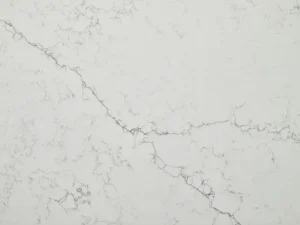
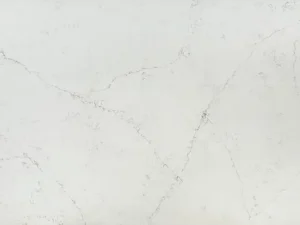


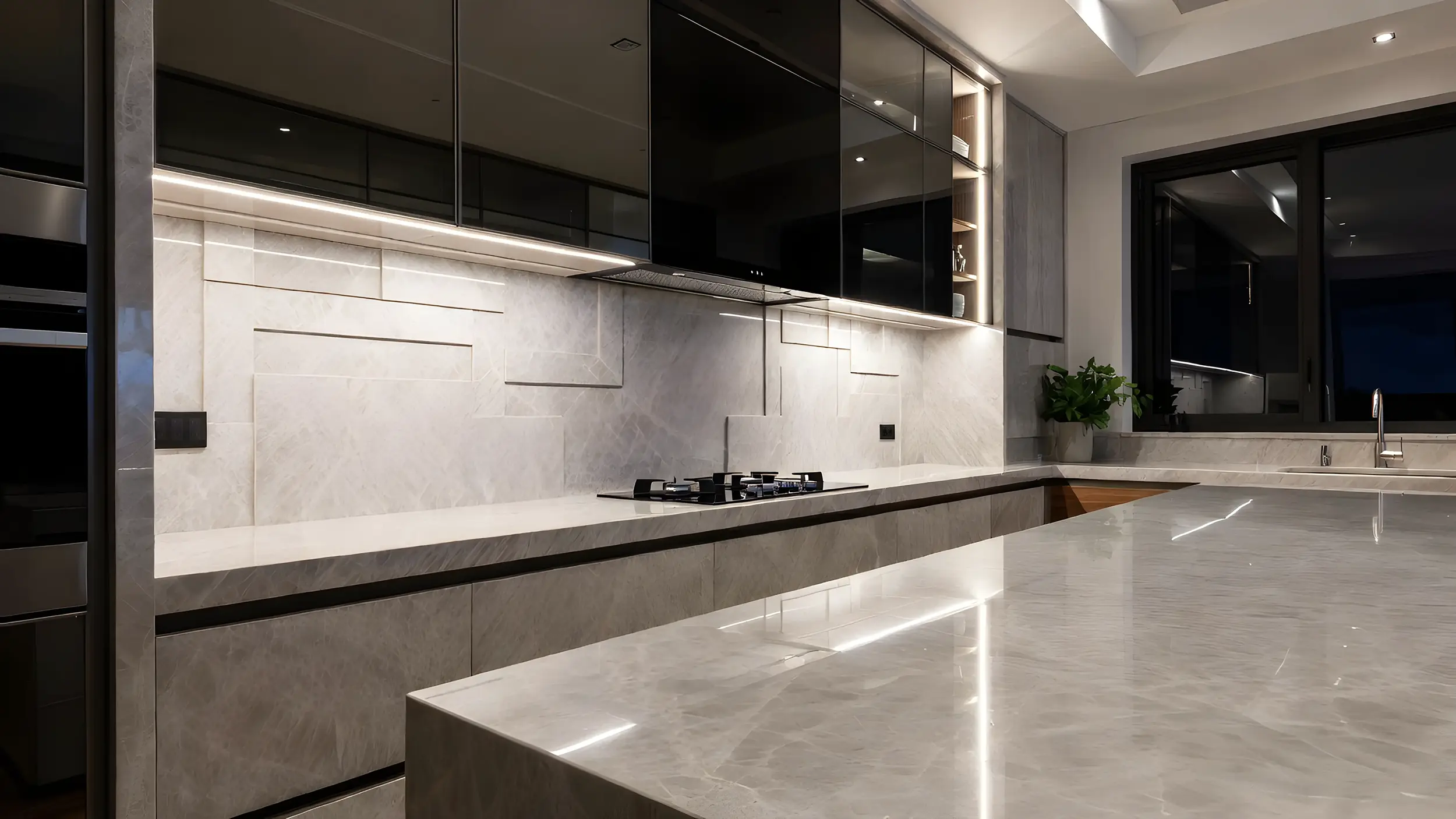
There are several households already using granite and quartz countertops. However, a few numbers of them are shifting towards the use of quartzite countertops.
It is completely worthwhile and interesting to know the reasons for shifting to this type of countertop. In order to save you some time, we have done the market research for you. All you need to do is read through the whole thing in order to know what to admire and gripe about it.
Quartzite is a natural metamorphic stone formed when sandstone is subjected to extreme heat and pressure beneath the Earth’s surface. This transformation creates an exceptionally dense and durable material.
Quartzite is often confused with marble due to its similar veining and appearance. However, unlike marble (which forms from limestone), quartzite is significantly harder and more resistant to wear.
Granite, by comparison, is an igneous rock formed from cooled lava, making it different in structure and aesthetics.
Homeowners are increasingly selecting quartzite because it combines:
Quartzite offers a premium, natural look without the maintenance concerns typically associated with marble.
Yes. On the Mohs Hardness Scale, quartzite typically scores 7–8, while granite averages 6–6.5. This makes quartzite harder and more resistant to scratching.
Due to this strength, quartzite is even used in heavy-duty applications such as railway ballast and industrial construction.
No. Quartzite does not etch the way marble does.
Although quartzite and marble may look similar, marble is much softer (Mohs hardness of ~4) and reacts with acids. Quartzite resists etching because it does not contain calcite.
Yes. Quartzite is highly resistant to:
It offers superior heat resistance compared to engineered quartz surfaces.
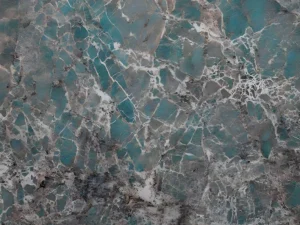
Marble offers soft, flowing veins in classic whites, grays, and creams for a timeless look, while quartzite presents bolder, more dramatic patterns with sharper contrasts, featuring a wider color range including blues and greens, and a more crystalline texture, though both can mimic each other. Visually, marble provides understated elegance with gentle movement, whereas quartzite often has more vibrant, striking streaks and a brighter surface, sometimes appearing glassy and granular.
Marble
Quartzite
Key Visual Differences
Generally, yes. Quartzite is typically less expensive than premium marble while offering a similar appearance and better durability, making it a cost-effective alternative for luxury kitchens and bathrooms.
No. Quartzite is considered low maintenance, similar to granite.
Avoid abrasive cleaners or pads, as they may damage the sealant.
Pricing varies based on slab availability, color rarity, and geographic location.
Typical price range (material only):
Fabrication, edge profiles, cutouts, and installation will affect final pricing.
Quartzite is available in a wide range of natural tones, including:
Each slab is unique due to its natural formation.
Taj Mahal Quartzite
White Quartzite
Highly versatile and timeless. Popular varieties include:
Fusion Blue Quartzite
Routine cleaning is simple:
Maintenance tips:
Material Composition
Hardness
Heat Resistance
Maintenance
Appearance
Quartzite is an excellent choice if you want:
If you are deciding between quartzite, granite, marble, or quartz, viewing full slabs in person is strongly recommended.
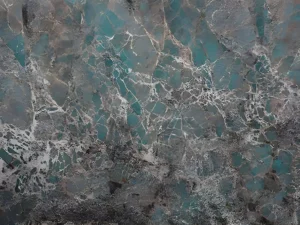
Quartzite with its marble like movement, makes it a highly desirable choice for countertops. Due to its high density, quartzite is durable, and is also available in honed and leathered finishes. Minimum purchase quantity may apply.


Aura Statuarietto Premium features a white base with intricate gray veining. It is designed for high-end applications like kitchen countertops, bathrooms, and walls.
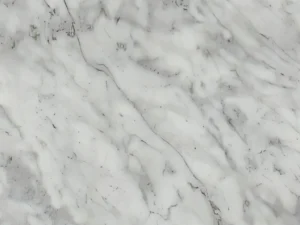
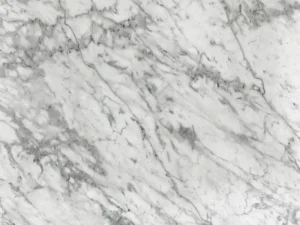
Aura Staturietto is a premium white natural stone, often classified in the market as a high-end quartzite or marble featuring delicate, thin, gray veining reminiscent of classic Italian Statuarietto. It is prized for its elegant, bright appearance.
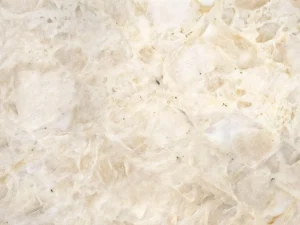
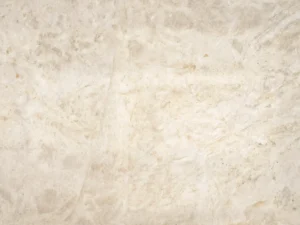
Ice Flakes Quartzite is a durable, high-end natural stone featuring an icy white and ivory base with subtle gray and light brown tones. It offers a marble-like appearance with the strength of granite, making it ideal for high-traffic kitchen countertops, bathrooms, and accent walls. Key features include high density, heat resistance, and a serene,, luminous, and often polished aesthetic.
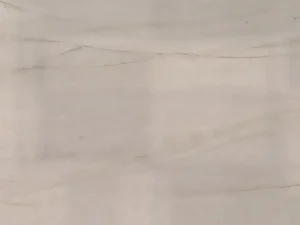

Kalahari quartzite is a durable natural stone featuring a creamy beige or white base with warm tan, brown, and gray veining, resembling desert landscapes. It is highly resistant to heat and scratches, making it ideal for kitchen countertops, bathroom vanities, and high-traffic flooring, typically available in polished finishes.

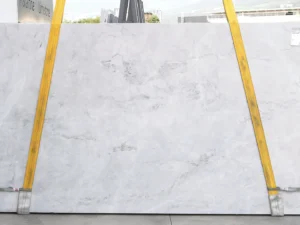
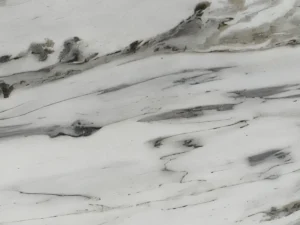
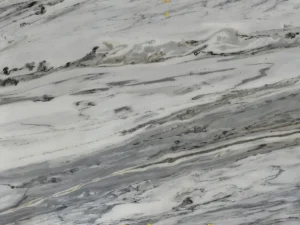
Portinari quartzite is a durable, premium natural stone featuring a dramatic blend of white, grey, and brown tones with sweeping, wavy veins. It is highly resistant to heat, scratches, and stains, making it ideal for kitchen countertops, bathroom vanities, and high-traffic areas.
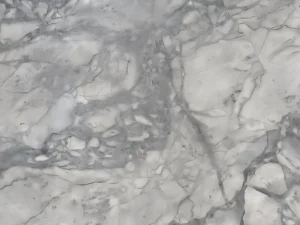
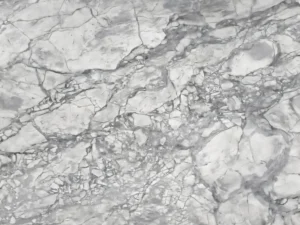
Super White quartzite is a popular, durable natural stone featuring a bright white to light grey base with dramatic, contrasting grey or beige veining, offering the luxurious look of marble with the strength of granite. It is highly prized for kitchen countertops, bathroom vanities, and feature walls due to its, heat, scratch, and stain resistance.